
10 Interesting Facts About Acacia Trees
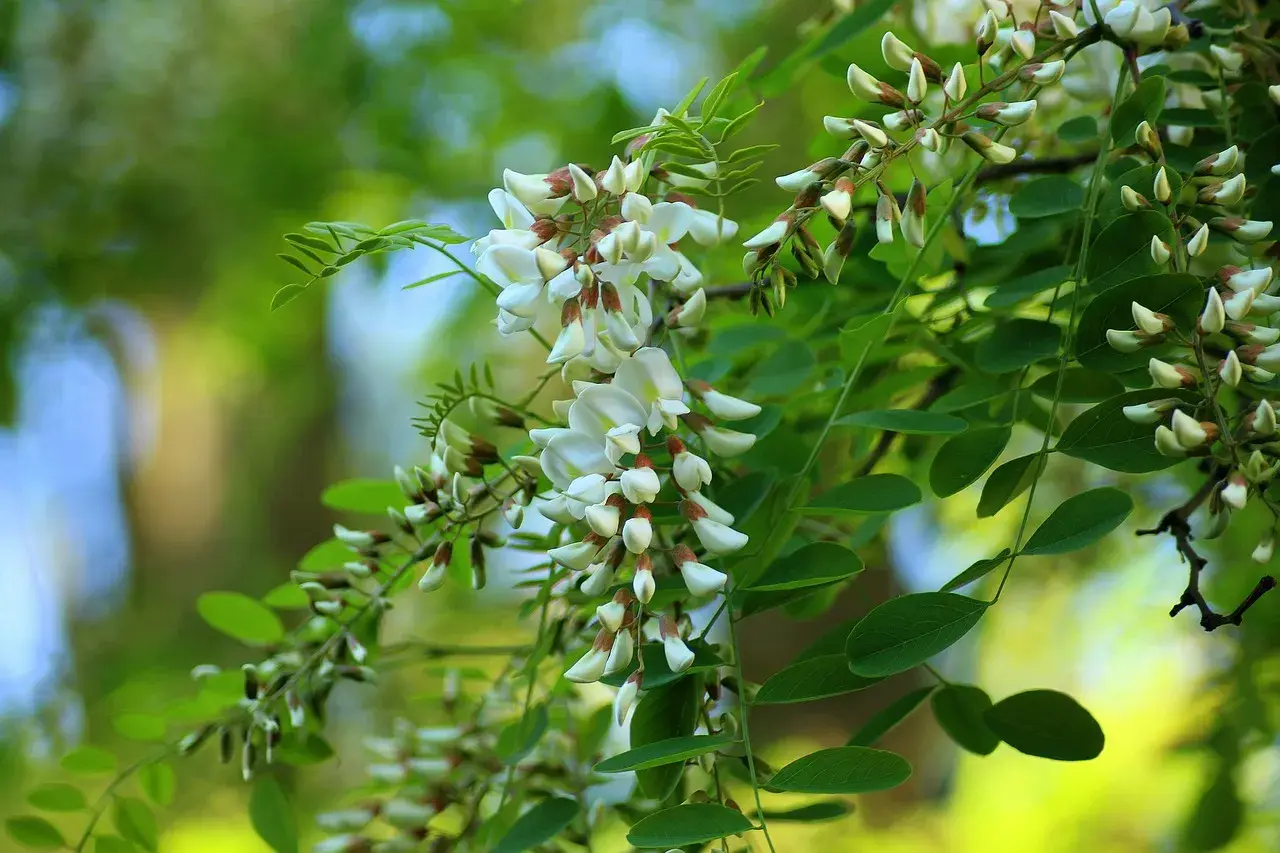
1. High Nectar and Pollen Source
Acacias are one of the flowering shrubs that provide one of the highest amounts of nectar and pollen for bees, making them essential for honey production.
2. Global Distribution
Originally from Africa, acacias now grow worldwide due to their resilience to various weather and climate conditions, thriving in regions like Hungary and Romania.
3. Erosion Prevention
A major environmental benefit is their ability to prevent land erosion and combat desertification, protecting fragile ecosystems.
4. Timber Resources
Beyond honey production, acacias provide a valuable source of timber for commercial use and sustainable harvesting.
5. Attractive Flowers
The trees produce delicate, beautiful, and fragrant yellow and white flowers that contain excessive sugar attracting pollinators from great distances.
6. Species Variety
Popular species include the Silver Wattle, Black Thorn, Sweet Thorn, and Coast Wattle, each with unique characteristics.
7. Variable Blooming Seasons
Some acacia species will bloom in early spring, whilst others in summer or the dry season, depending on species and location.
8. Superior Honey Production
Acacia flowers yield one of the finest honeys in the world, prized for its delicate flavour and light color.
9. Slow Crystallisation
The resulting honey has natural antiseptic properties and crystallizes slowly compared to other honey varieties, maintaining its liquid state longer.
10. Symbiotic Beekeeping
Beekeepers strategically position hives near acacia groves to create mutually beneficial relationships with the trees, supporting both honey production and plant pollination.
From Acacia to Your Table
The acacia trees of Hungary, Transylvania, and Romania produce some of the world's finest honey. Our partnership with local beekeepers ensures that these magnificent trees continue to thrive while producing the exceptional acacia honey that defines The Honey Collab.